





• אודות
  • כנסים ואירועים
  • צור קשר
  • הצטרפות לניוזלטר
  • TapeOut Magazine
  • ChipEx
  • סיליקון קלאב
  • Jobs
מבית
EN
Tech News, Magazine & Review WordPress Theme 2017
  • עיקר החדשות
    מימין - מנכ"ל אנבידיה ג'נסן הואנג ומנכ"ל אינטל ליפ-בו טאן. צילום מתוך דף ה-X של הואנג

    מערכות ה-AI החדשות של NVIDIA יעבדו על מעבדי אינטל:

    snapdragon

    בית הדין לפטנטים דחה את תביעות NST נגד קוואלקום: מכירות Snapdragon יימשכו באירופה

    ברית המדינות BRICKS מחפשת אלטרנטיבה להגמוניה האמריקנית. אילוסטרציה: depositphotos.com

    שבבים הם "הנפט של המאה ה־21": מדינות BRICS מבקשות לבנות ריבונות דיגיטלית חדשה

    רובוט של יונדאי המבוסס על הטכנולוגיה של ARM. צילום יחצ מתוך רשת X

    בריטניה מחפשת את ARM הבאה: לא מפעלי ענק, אלא תכנון שבבים, חומרים מתקדמים ואריזה חכמה

    מלחמה באירן.אילוסטרציה: depositphotos.com

    המלחמה באיראן עלולה לפגוע בתעשיית השבבים העולמית

    מבנה מולקולת גליום ניטריד. מתוך ויקיפדיה

    Rohm תרכוש רישיון מטכנולוגיית הייצור של TSMC לשבבי GaN

  • בישראל
    סיליקון פוטוניקס. המחשה: depositphotos.com

    טאואר ו־Lightwave Logic ישלבו מאפננים מהירים בפלטפורמת PH18

    איור למחקר על זכרון גרפן חסכוני באנרגיה. קרדיט: משה בן שלום

    פיתוח חדש של אוניברסיטת ת"א: מתג ננומטרי חדש מגרפן – כמעט בלי אנרגיה

    ירון גליצקי, סיוה. צילום: רון קובי

    כנס Embedded World: מעבד ה-AI של סיוה זכה בפרס הבינה המלאכותית לשנת 2026

    מלחמה באירן.אילוסטרציה: depositphotos.com

    מנכ"לים בתעשיית השבבים ל- Chiportal: הייצור נמשך, אבל המילואים, הטיסות והעבודה מרחוק מאטים את הקצב

    שבבי קצה. צילום יחצ אינטל

    אינטל מורידה את הבינה המלאכותית היוצרת לרובוטים ולציוד רפואי * שיתוף פעולה עם חברת Nanox הישראלית

    כיכר אנרלאב בטהראן, השבוע. צילום מתוך ויקישיתוף. By Tasnim News Agency, CC BY 4.0

    העימות במזרח התיכון מעלה חשש לשיבושים בשרשרת האספקה של תעשיית השבבים

  • מדורים
    • אוטומוטיב
    • בינה מלאכותית (AI/ML)
    • בטחון, תעופה וחלל
    • ‫טכנולוגיות ירוקות‬
    • ‫יצור (‪(FABs‬‬
    • ‫צב"ד‬
    • ‫שבבים‬
    • ‫רכיבים‬ (IOT)
    • ‫תוכנות משובצות‬
    • ‫תכנון אלק' (‪(EDA‬‬
    • תקשורת מהירה
    • ‫‪FPGA‬‬
    • ‫ ‪וזכרונות IPs‬‬
  • מאמרים ומחקרים
  • צ'יפסים
  • Chiportal Index
    • Search By Category
    • Search By ABC
No Result
View All Result
Chiportal
  • עיקר החדשות
    מימין - מנכ"ל אנבידיה ג'נסן הואנג ומנכ"ל אינטל ליפ-בו טאן. צילום מתוך דף ה-X של הואנג

    מערכות ה-AI החדשות של NVIDIA יעבדו על מעבדי אינטל:

    snapdragon

    בית הדין לפטנטים דחה את תביעות NST נגד קוואלקום: מכירות Snapdragon יימשכו באירופה

    ברית המדינות BRICKS מחפשת אלטרנטיבה להגמוניה האמריקנית. אילוסטרציה: depositphotos.com

    שבבים הם "הנפט של המאה ה־21": מדינות BRICS מבקשות לבנות ריבונות דיגיטלית חדשה

    רובוט של יונדאי המבוסס על הטכנולוגיה של ARM. צילום יחצ מתוך רשת X

    בריטניה מחפשת את ARM הבאה: לא מפעלי ענק, אלא תכנון שבבים, חומרים מתקדמים ואריזה חכמה

    מלחמה באירן.אילוסטרציה: depositphotos.com

    המלחמה באיראן עלולה לפגוע בתעשיית השבבים העולמית

    מבנה מולקולת גליום ניטריד. מתוך ויקיפדיה

    Rohm תרכוש רישיון מטכנולוגיית הייצור של TSMC לשבבי GaN

  • בישראל
    סיליקון פוטוניקס. המחשה: depositphotos.com

    טאואר ו־Lightwave Logic ישלבו מאפננים מהירים בפלטפורמת PH18

    איור למחקר על זכרון גרפן חסכוני באנרגיה. קרדיט: משה בן שלום

    פיתוח חדש של אוניברסיטת ת"א: מתג ננומטרי חדש מגרפן – כמעט בלי אנרגיה

    ירון גליצקי, סיוה. צילום: רון קובי

    כנס Embedded World: מעבד ה-AI של סיוה זכה בפרס הבינה המלאכותית לשנת 2026

    מלחמה באירן.אילוסטרציה: depositphotos.com

    מנכ"לים בתעשיית השבבים ל- Chiportal: הייצור נמשך, אבל המילואים, הטיסות והעבודה מרחוק מאטים את הקצב

    שבבי קצה. צילום יחצ אינטל

    אינטל מורידה את הבינה המלאכותית היוצרת לרובוטים ולציוד רפואי * שיתוף פעולה עם חברת Nanox הישראלית

    כיכר אנרלאב בטהראן, השבוע. צילום מתוך ויקישיתוף. By Tasnim News Agency, CC BY 4.0

    העימות במזרח התיכון מעלה חשש לשיבושים בשרשרת האספקה של תעשיית השבבים

  • מדורים
    • אוטומוטיב
    • בינה מלאכותית (AI/ML)
    • בטחון, תעופה וחלל
    • ‫טכנולוגיות ירוקות‬
    • ‫יצור (‪(FABs‬‬
    • ‫צב"ד‬
    • ‫שבבים‬
    • ‫רכיבים‬ (IOT)
    • ‫תוכנות משובצות‬
    • ‫תכנון אלק' (‪(EDA‬‬
    • תקשורת מהירה
    • ‫‪FPGA‬‬
    • ‫ ‪וזכרונות IPs‬‬
  • מאמרים ומחקרים
  • צ'יפסים
  • Chiportal Index
    • Search By Category
    • Search By ABC
No Result
View All Result
Chiportal
No Result
View All Result

בית דפי האתר ושונות בלוגים הבלוגים של Chiportal Has formal verification technology stalled

Has formal verification technology stalled

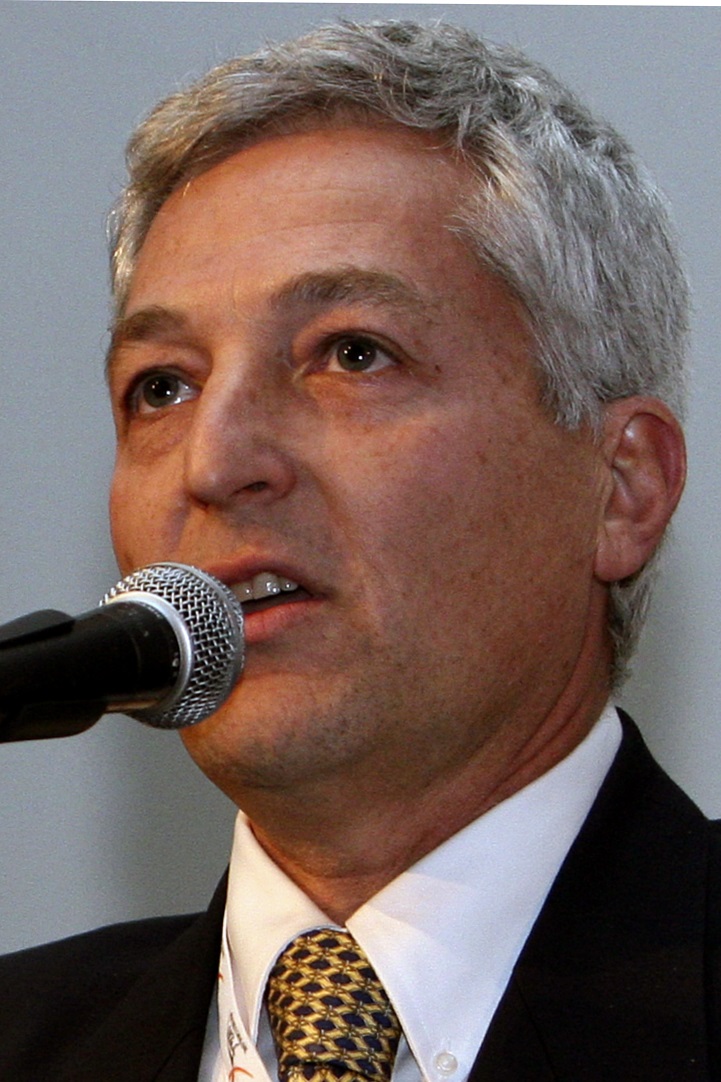
מאת Dr. Olivier Coudert
16 אפריל 2010
in הבלוגים של Chiportal
Olivier_Coudert
Share on FacebookShare on TwitterLinkedinWhastsapp

Has formal verification technology stalled?


Dr. Olivier Coudert

underline-blog-409
We all know that functional verification is the costliest and most time-consuming aspect of ASIC design –about 50% of the total cost, and from 40% to 70% of the total project duration. And we all know that simulation is by far the prevalent verification method, even though it is inherently incomplete due to an input space that is too large to be enumerated.

” .

Has formal verification technology stalled?

Dr. Olivier Coudert

underline-blog-409

We all know that functional verification is the Normal 0 false false false EN-US X-NONE HE MicrosoftInternetExplorer4 costliest and most time-consuming aspect of ASIC design –about 50% of the total cost, and from 40% to 70% of the total project duration. And we all know that simulation is by far the prevalent verification method, even though it is inherently incomplete due to an input space that is too large to be enumerated. So formal verification, which aims at completeness, should be a thriving field, given the impact it can have on the overall cost and schedule of ASIC designs.
There is certainly no lack of competition in formal verification. The big three EDA public companies, Synopsys, Cadence, and Mentor Graphics, have all their own formal verification offering (Formality, Conformal, 0-in), and there are a number of startups, e.g., Normal 0 false false false EN-US X-NONE HE MicrosoftInternetExplorer4 Jasper, Atrenta, Real Intent, OneSpin, Blue Pearl Software,, to name a few. Formal verification products cover a wide range of applications: System Verilog Assertion Normal 0 false false false EN-US X-NONE HE MicrosoftInternetExplorer4 (SVA) and property checking; RTL static check; equivalence checking (EC); some limited IP verification; clock-domain crossing (CDC) verification; and timing exception verification (false paths and multi-cycle paths).
Looking at the Normal 0 false false false EN-US X-NONE HE MicrosoftInternetExplorer4 DAC submissions this year though, I am puzzled by the overwhelming number of papers focused on increasing simulation speed and coverage, as opposed to the handful of papers discussing formal techniques. And this year is not different from last year. And the year before last. Does that mean there is a lack of innovation in formal verification core techniques?

Improving simulation –higher coverage, less patterns, more automation— with formal techniques is a very active field, both in the academic and industrial world. Some inject faults in the RTL to separate the most discriminating patterns (e.g., Normal 0 false false false EN-US X-NONE HE MicrosoftInternetExplorer4 Certess). Others use SAT and integer constraint solvers to reduce the number of patterns, or to automatically generate patterns for hard-to-cover code branches (e.g., Normal 0 false false false EN-US X-NONE HE MicrosoftInternetExplorer4 NuSym). But success is all relative. Certess was quickly acquired last year, while NuSym is actively looking for a buyer. There are also semi-formal tools, mixing simulation and state exploration techniques (e.g., Normal 0 false false false EN-US X-NONE HE MicrosoftInternetExplorer4 Magellan), but they a have limited usage.
What about the more fundamental formal verification technologies? The 80’s were dominated by the development of rigorous semantics models (e.g., multi-valued logic, Verilog and VHDL operational semantics for synthesis and simulation, Normal 0 false false false EN-US X-NONE HE MicrosoftInternetExplorer4 , temporal logics, and synchronous languages like Esterel and Lustre) and the introduction of BDDs. The 90’s saw EC tools spreading in the industry and the rise of model checking. The 00’s were all about Normal 0 false false false EN-US X-NONE HE MicrosoftInternetExplorer4 SAT and model abstraction to push the capacity of EC and bring property checking to the end-user, as well as static code analysis, CDC, and timing verification. What are we going to see in this decade?
Verification has a lot of challenging problems, with incomplete or no solution at all. Here is my list:
•    Merged arithmetic. There are robust methods to verify adders and multipliers of practically any size, but no one can verify merged arithmetics as small as 32-bits.
•    Low power. This leads to complex properties capturing the correctness of sequential clock gating and power gating. The former is becoming more common, and there are techniques to address most of it (e.g., Calypto and Conformal). But the later is still waiting for a comprehensive and automated solution.
•    RTL debugging. There are a number of static code checkers, but debugging is still very poor.
•    HW/SW verification. Can we leverage deductive methods (predicate logic, HOL, rewriting system) to close the gap between software and RTL?
•    Mixed signal (analog/digital) devices: this is a very young area of research, but it should see a lot of focus given the increasing ubiquity of mixed signal designs.
If formal verification core technology is to evolve, we will see some original solutions to the problems listed above. What do you think should be added to this list? And which techniques will evolve as the most promising?

Dr. Olivier Coudert has 20 years experience in software architecture and EDA product development, including 10 years in research. He received his PhD in Computer Sciences from Ecole nationale supérieure des Télécommunications, Paris , France , in 1991. He has published 50+ papers and book chapters, and he holds several patents on combinatorial optimization and physical synthesis. He is a recognized expert in the fields of formal verification, logic synthesis, low power, and physical synthesis. He led the development of several EDA products, including 3 from scratch in a startup environment. You can follow Olivier on Twitter, meet him on LinkedIn, or read his blog.

{loadposition content-related}
Tags: verificationאימות תכנון
Dr. Olivier Coudert

Dr. Olivier Coudert

נוספים מאמרים

Shlomo_Gradman_2
בינה מלאכותית (AI/ML)

האם הגענו לשלב בו מחשב יכול לנצח את המוח האנושי?

Shlomo_Gradman_2
הבלוגים של Chiportal

ענקית השבבים החדשה

ADI_KATAV
הבלוגים של Chiportal

היכן נפתח משרד פיתוח ושיווק כאשר פנינו לסין ושווקי אסיה?

Shlomo_Gradman_2
הבלוגים של Chiportal

מה שהיה הוא לא מה שיהיה – גם בשוק האלקטרוניקה

Next Post
daniel_hershkowitz

ChipEx2010 הכנס הבינלאומי הגדול ביותר של תעשיית השבבים הישראלית, יפתח ע"י שר המדע והטכנולוגיה, פרופסור דניאל הרשקוביץ

כתיבת תגובה לבטל

האימייל לא יוצג באתר. שדות החובה מסומנים *

  • הידיעות הנקראות ביותר
  • מאמרים פופולאריים

הידיעות הנקראות ביותר

  • אינטל מורידה את הבינה המלאכותית היוצרת לרובוטים…
  • המלחמה באיראן עלולה לפגוע בתעשיית השבבים העולמית
  • מנכ"לים בתעשיית השבבים ל- Chiportal: הייצור…
  • כנס Embedded World: מעבד ה-AI של סיוה זכה בפרס הבינה…
  • בריטניה מחפשת את ARM הבאה: לא מפעלי ענק, אלא תכנון…

מאמרים פופולאריים

  • המהפכה המוארת: מדוע שבבים פוטוניים הם המפתח לעתיד…
  • מכון הדסון: השותפות בין ארה"ב לישראל מושתתת על…
  • מעבר לשבבים: “המגן החברתי” של טאיוואן והמאבק על…
  • מפעל שממריא לחלל: Space Forge רוצה לגדל שם את…
  • IBM וחוקרים מאירופה יצרו מולקולה חדשה, והמחשוב…

השותפים שלנו

לוגו TSMC
לוגו TSMC

לחצו למשרות פנויות בהייטק

כנסים ואירועים

כנסים ואירועים

כנס ChipEx2026 יערך ב-12-13 במאי, 2026. הכנס מיועד לכל העוסקים בתעשיית הסמיקונדקטור  כולל מהנדסים, מומחים מקצועיים ובכירים.

ChipEx2026 will be held on May 12-13, 2026. The conference is intended for everyone involved in the semiconductor industry, including engineers, professional experts, and senior executives.

לחץ לפרטים

הרשמה לניוזלטר של ChiPortal

הצטרפו לרשימת הדיוור שלנו


    • פרסם אצלנו
    • עיקר החדשות
    • הצטרפות לניוזלטר
    • בישראל
    • צור קשר
    • צ'יפסים
    • Chiportal Index
    • TapeOut Magazine
    • אודות
    • מאמרים ומחקרים
    • תנאי שימוש
    • כנסים
    • אוטומוטיב
    • בינה מלאכותית
    • בטחון, תעופה וחלל
    • ‫טכנולוגיות ירוקות‬
    • ‫יצור (‪(FABs‬‬
    • ‫צב"ד‬
    • ‫רכיבים‬ (IOT)
    • ‫שבבים‬
    • ‫תוכנות משובצות‬
    • ‫תכנון אלק' (‪(EDA‬‬
    • ‫‪FPGA‬‬
    • ‫ ‪וזכרונות IPs‬‬

    השותפים שלנו

    כל הזכויות שמורות Chiportal (c) 2010 תנאי שימוש ומדיניות פרטיות

    דרונט דיגיטל - בניית אתרים, בניית אתרי וורדפרס, בניית אתרי סחר, חנות אינטרנטית, פיתוח אתרים

    No Result
    View All Result
    • עיקר החדשות
    • בישראל
    • מדורים
      • אוטומוטיב
      • בינה מלאכותית (AI/ML)
      • בטחון, תעופה וחלל
      • ‫טכנולוגיות ירוקות‬
      • ‫יצור (‪(FABs‬‬
      • ‫צב"ד‬
      • ‫שבבים‬
      • ‫רכיבים‬ (IoT)
      • ‫תוכנות משובצות‬
      • ‫תכנון אלק' (‪(EDA‬‬
      • ‫‪FPGA‬‬
      • ‫ ‪וזכרונות IPs‬‬
      • תקשורת מהירה
    • מאמרים ומחקרים
    • צ'יפסים
    • כנסים
    • Chiportal Index
      • אינדקס חברות – קטגוריות
      • אינדקס חברות A-Z
    • אודות
    • הצטרפות לניוזלטר
    • TapeOut Magazine
    • צור קשר
    • ChipEx
    • סיליקון קלאב

    כל הזכויות שמורות Chiportal (c) 2010 תנאי שימוש ומדיניות פרטיות

    דרונט דיגיטל - בניית אתרים, בניית אתרי וורדפרס, בניית אתרי סחר, חנות אינטרנטית, פיתוח אתרים

    דילוג לתוכן
    פתח סרגל נגישות כלי נגישות

    כלי נגישות

    • הגדל טקסטהגדל טקסט
    • הקטן טקסטהקטן טקסט
    • גווני אפורגווני אפור
    • ניגודיות גבוההניגודיות גבוהה
    • ניגודיות הפוכהניגודיות הפוכה
    • רקע בהיררקע בהיר
    • הדגשת קישוריםהדגשת קישורים
    • פונט קריאפונט קריא
    • איפוס איפוס